India's Most Trusted Supplement Reviews

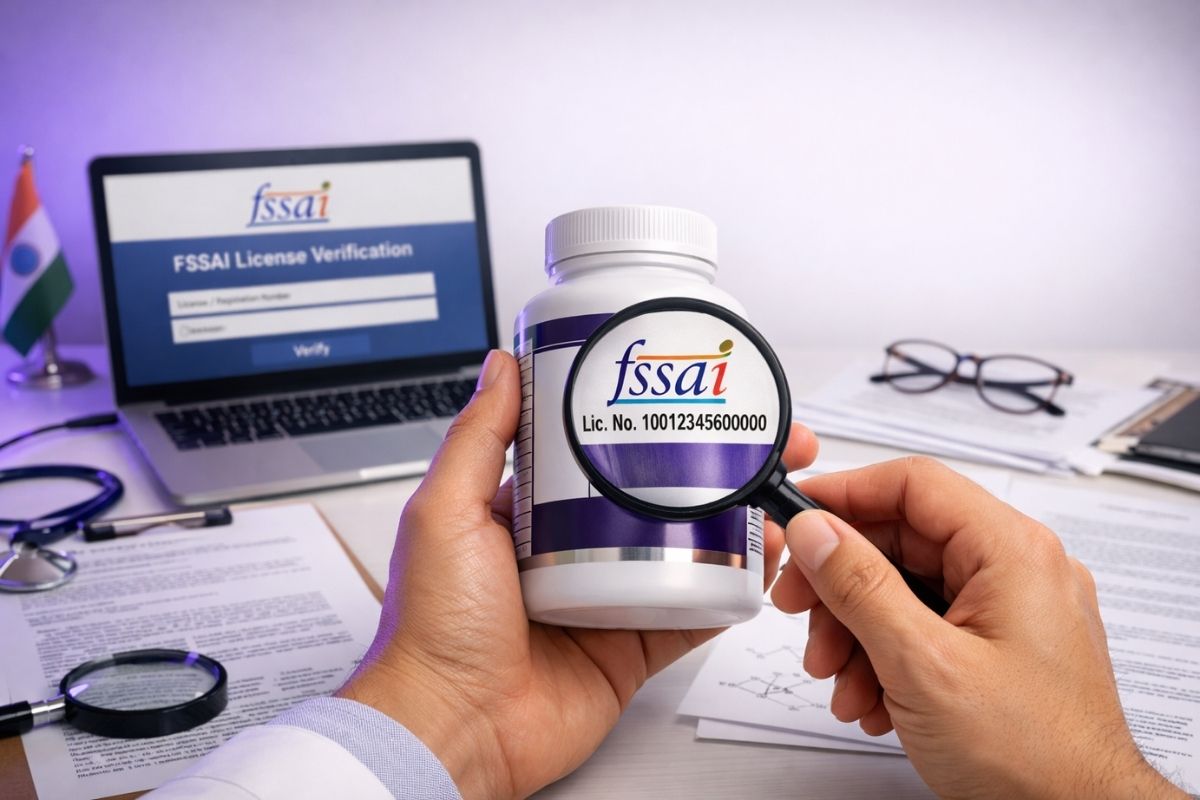

Table of Contents
hide
#Ad: Independent Audit. I may earn a commission if you buy through my links, but my research and opinions stay 100% unbiased. I am a researcher, not a doctor—always check with your physician before starting a new supplement.
Last month, I bought a “premium” whey protein from a seller on Amazon with 4.7 stars and 12,000+ reviews. The label looked professional. The price was ₹2,899 for 2 kg—not suspiciously cheap, not insanely expensive. It had that FSSAI logo in the corner. Everything seemed fine.
Then I did what most people don’t do. I actually called the FSSAI license number printed on the back.
It didn’t exist.
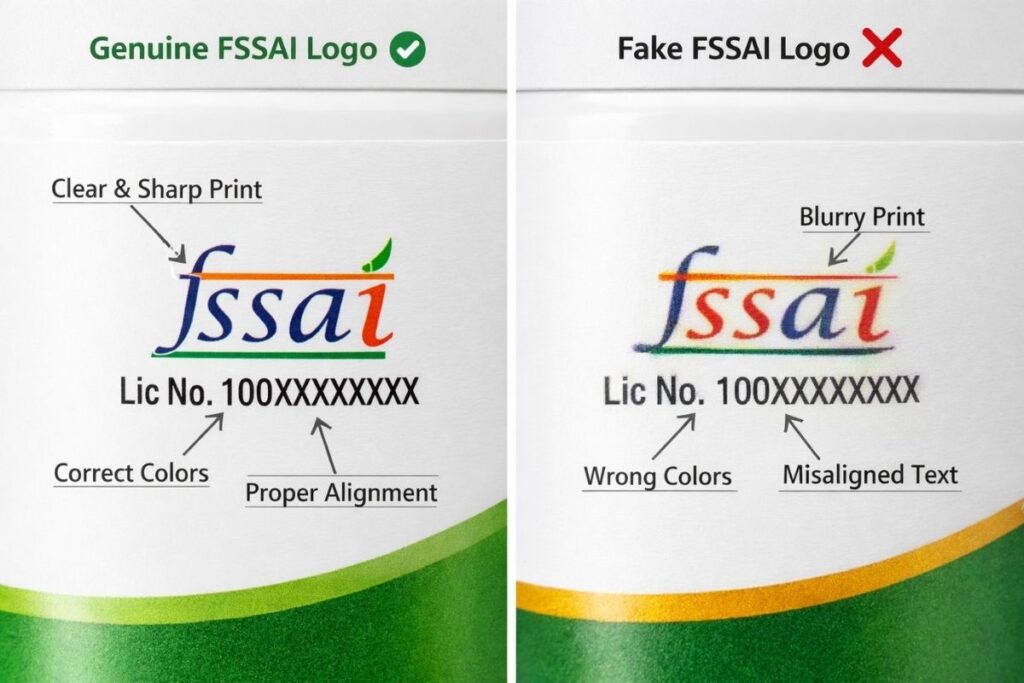
The 14-digit number was fake. Someone had Photoshopped a logo and slapped it on packaging. And this wasn’t some shady local shop—this was a product with thousands of “verified purchase” reviews on India’s most trusted e-commerce platform.
That’s when I realized: the Indian supplement market doesn’t just have a quality problem. It has a vishwaas problem. A trust problem so deep that even doing your “homework” isn’t enough anymore.
So I started TheSupplementAudit.in with one simple promise: I’ll do the actual research so you don’t have to gamble with your health and hard-earned money.
But here’s the thing—anyone can claim they’re “auditing” products. Anyone can write “scientifically backed” or “clinically proven” and hope you believe them. I needed a system. A real process that I could show you, step by step, so you’d know exactly how I separate the asli from the naqli.
This is that system.
Why Most “Reviews” Can’t Be Trusted (And Why Mine Are Different)
Let me be blunt: most supplement review sites in India are paid advertisements dressed up as honest opinions.
They’ll write 2,000 words about a product, mention “natural ingredients” five times, throw in some stock photos of happy people at the gym, and link you straight to a checkout page. No lab reports. No FSSAI verification. No mention of clinical studies. Just vibes and marketing copy.
I’m not here to do that.
I’m also not a doctor, and I won’t pretend to be. But I am someone who spent way too many Saturday nights reading research papers on PubMed, cross-checking ingredient labels with DCGI databases, and calling customer care lines to verify manufacturing licenses. My friends think I’m crazy. My family thinks I need a hobby. But you? You’re going to benefit from my obsession.
Here’s exactly how I audit every single supplement that lands on this site.
The 5-Point Safety & Purity Protocol
Point 1: FSSAI License Verification (The Non-Negotiable Foundation)
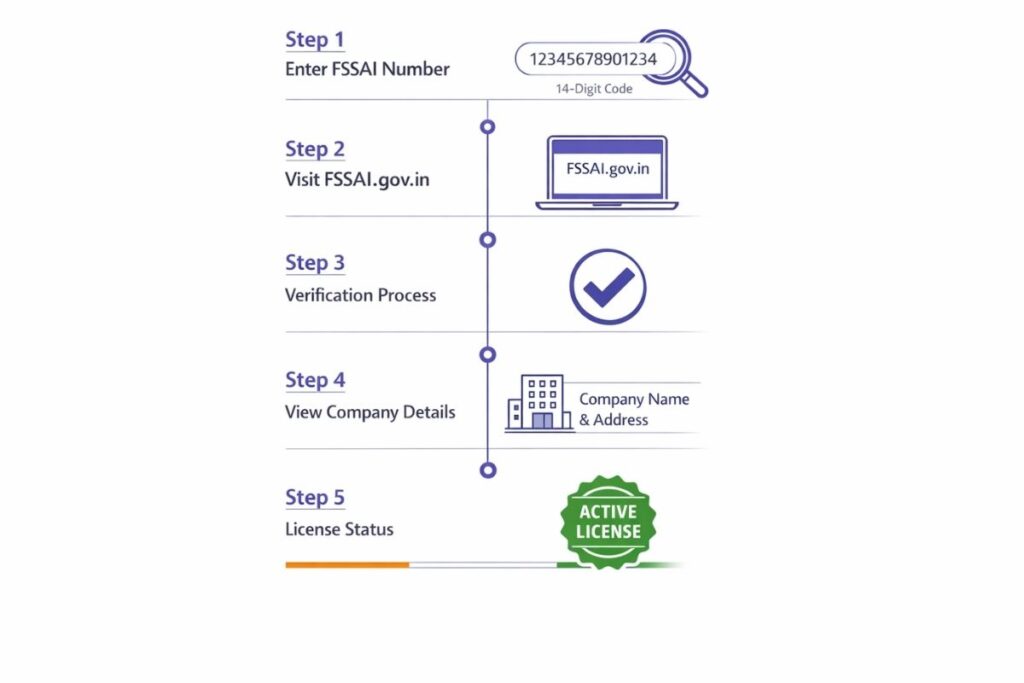
This is where it all starts. If a supplement doesn’t have a legitimate FSSAI license, I don’t review it. Period.
But here’s where it gets tricky—just because there’s an FSSAI logo on the label doesn’t mean it’s real. I’ve personally found at least a dozen products with fake license numbers in the past three months alone.
Here’s what I actually do:
- I locate the 14-digit FSSAI license number on the product packaging (it’s usually near the back, in small print).
- I go to the official FSSAI website and use their license verification tool.
- I check if the license number matches the company name and manufacturing address printed on the label.
- I verify the license is still active (not expired or suspended).
Wait, let me re-read that last part—yes, licenses can be suspended. I’ve seen products still being sold months after their FSSAI approval was revoked.
If the license checks out, I move forward. If it’s fake, expired, or doesn’t match the manufacturer details, that product gets flagged immediately, and I tell you exactly why it failed.
Why this matters for you:
FSSAI registration isn’t just bureaucratic paperwork. It means the product was manufactured in a facility that meets basic hygiene standards, the ingredients were declared, and there’s a paper trail if something goes wrong. Without it, you’re literally consuming something that has zero government oversight. No one checked if it’s safe. No one verified the ingredients. You’re trusting a stranger on the internet with your liver and kidneys.
In India, where the supplement black market is estimated at ₹3,000+ crore, this step alone eliminates most of the garbage.
Point 2: Ingredient Analysis & Clinical Research
Okay, so the product has a valid FSSAI license. That’s good. But now comes the real question: do the ingredients actually work?
This is where I dig into the science.
For every active ingredient listed on the label, I check:
- Is there clinical evidence supporting its claimed benefit? I’m talking about actual peer-reviewed studies, not blog posts or “ancient Ayurvedic wisdom” with no modern validation.
- What’s the effective dosage according to research? Because here’s a dirty secret—many supplements include ingredients that are scientifically proven to work, but they use such tiny amounts that it’s basically faltu ka hype. The label says “Contains Ashwagandha,” but if it’s only 50 mg when studies show you need 600 mg to see results, you’re being fooled.
- Are there any known side effects or contraindications? Especially important for Indian consumers who might be vegetarian, have dietary restrictions, or are taking other medications.
I also cross-check the ingredient list with the product’s marketing claims. If a fat burner says it “boosts metabolism by 300%,” I want to see the study that backs that up. Spoiler: I almost never find it.
A real example:
I recently audited a popular “liver detox” supplement that was all over Instagram ads. The main ingredient was Milk Thistle extract. Great—Milk Thistle actually has some solid research behind it for liver support.
But when I checked the dosage, it contained only 140 mg per capsule, and they recommended one capsule per day. The clinical studies showing real benefits? They used 280-420 mg daily, split into multiple doses.
So the ingredient was real, the science was real, but the dosage was underdosed. That’s not a scam, but it’s also not paisa vasool. I flagged it in my review, and I told readers exactly what they’d need to take to match the clinical dose.
That’s the kind of honesty you won’t find in affiliate spam blogs.
Point 3: Label Accuracy & Transparency Check
Here’s something most people don’t know: in India, supplement labels are often deliberately vague.
They’ll list “proprietary blend” without telling you the exact amount of each ingredient. They’ll say “natural flavors” without clarifying if it’s vegetarian-friendly. They’ll mention “plant-based capsules” but won’t specify if they’re made from HPMC (vegetarian) or gelatin (non-vegetarian).
For the Indian market, this is a massive problem. We have one of the world’s largest vegetarian populations, and yet supplement companies play games with transparency.
Here’s what I look for:
- Complete ingredient disclosure: No hiding behind “proprietary blends.” If you can’t tell me exactly what’s in your product and in what amounts, I don’t trust you.
- Clear veg/non-veg labeling: Is the capsule shell vegetarian? Is the source of Omega-3 fish-based or algae-based? These details matter.
- Allergen warnings: Does it contain soy, gluten, dairy, or nuts? In a country where food allergies are under-diagnosed, this can be life-threatening.
- Manufacturing and expiry dates: I check if these are clearly printed and if the product I’m reviewing is actually fresh, not sitting in a warehouse for two years.
I also verify that the label claims match what’s registered with FSSAI. Sometimes companies change formulations but don’t update their licenses. That’s a red flag.
Why this matters:
Imagine you’re vegetarian and you’ve been taking a “plant-based” protein supplement for six months, only to find out the capsules are made from beef gelatin. That’s not just misleading—it’s a violation of your personal beliefs and dietary choices. I make sure you know exactly what you’re putting in your body before you buy.
Point 4: Third-Party Testing & Purity Reports (The Gold Standard)
This is the one area where most Indian supplement brands fail spectacularly.
In countries like the US, many reputable brands voluntarily submit their products to third-party labs like NSF International, Informed Choice, or USP for independent testing. These labs check for:
- Heavy metal contamination (lead, arsenic, mercury)
- Microbial contamination (bacteria, mold)
- Banned substances (steroids, stimulants)
- Label accuracy (does the product actually contain what it claims?)
In India? Third-party testing is almost non-existent.
Most brands don’t do it because it’s expensive and because, frankly, they’d rather you not know what’s really inside. I’ve seen “pure creatine monohydrate” that tested at only 60% purity. I’ve seen protein powders spiked with cheaper amino acids to inflate the protein content on paper.
Here’s what I do:
- I check if the brand has third-party testing reports publicly available. If they do, I verify the lab’s credentials and review the actual data.
- If they don’t (which is most cases), I note this in my review and adjust my trust score accordingly.
- For high-stakes products (pre-workouts, fat burners, testosterone boosters), I sometimes reach out to the brand directly and ask for their internal quality testing reports. Most ignore me. A few actually respond, and I publish whatever they send.
The brutal truth is that without third-party testing, you’re taking the manufacturer’s word for it. And in a market where 60-70% of supplements are estimated to be counterfeit or substandard, that’s not good enough.
Point 5: Real User Experience vs. Paid Reviews
Let’s talk about those 10,000 five-star reviews you see on Amazon and Flipkart.
Many of them are fake. Not all, but many.
I’ve personally seen review farms where people are paid ₹50-₹100 to write glowing reviews for products they never even tried. I’ve seen brands offer “free products in exchange for honest reviews” (which are never actually honest). I’ve seen competitors leave one-star reviews just to sabotage each other.
So how do I separate real feedback from paid noise?
My process:
- I analyze review patterns. If 90% of reviews are five-star and posted within the same week, that’s suspicious.
- I read the one-star, two-star, and three-star reviews first. These tend to be more honest because dissatisfied customers have nothing to gain by lying.
- I look for verified purchase badges, but I also know these can be gamed (people buy the product, write a fake review, then return it).
- I check multiple platforms—Amazon, Flipkart, Healthkart, 1mg—and compare the feedback. If a product has 4.8 stars on Amazon but 2.9 stars on Healthkart, something’s off.
- When possible, I reach out to real users directly. I join fitness forums, WhatsApp groups, Reddit threads, and ask people about their experiences. These unfiltered opinions are gold.
I also test products myself when I can. Not every product (I’m not a millionaire), but for the big ones that people keep asking about, I’ll buy a bottle, use it for 30-60 days, and report what actually happened.
Does that mean my experience will be yours? No. Supplements affect people differently based on diet, genetics, lifestyle, and a dozen other factors. But at least you’re getting one real data point instead of 5,000 fake ones.
What I Don’t Do (And Why That’s Important)
Just as important as what I check is what I intentionally don’t do.
I don’t accept free products from brands. If I review it, I buy it myself or a reader sends it to me. The moment a brand sends me a free sample and says “review this,” my objectivity is compromised. I’d rather pay ₹3,000 out of my own pocket than owe anyone anything.
I don’t hide my affiliate relationships. You saw the disclosure at the top of this page. Yes, I earn commissions if you buy through my links. That’s how I keep this site running. But I only link to products I actually believe in, and I’ll tell you when something’s overpriced or useless, even if it means I lose money.
I don’t claim to be a doctor. I’m not. If you have a medical condition, if you’re on prescription medication, if you’re pregnant or breastfeeding—talk to your physician before starting any supplement. My job is to research the product. Your doctor’s job is to advise you on your health.
I don’t review every supplement that exists. There are thousands of products in the Indian market. I focus on the ones people actually ask about, the ones with high sales volume, and the ones making big claims. If I tried to review everything, the quality would suffer. I’d rather do ten great audits than a hundred mediocre ones.
How You Can Use This Protocol Yourself
Look, I can’t audit every product you come across. But I can teach you how to think like an auditor.
Before you buy any supplement, ask yourself:
- Does it have a valid, verifiable FSSAI license? Don’t just look for the logo. Check the number on the FSSAI website.
- Are the ingredients backed by actual science? A quick Google Scholar search can tell you if there’s real research or just marketing hype.
- Is the dosage meaningful? Compare what’s in the capsule to what was used in clinical studies.
- Is the label transparent? If they’re hiding ingredient amounts or using vague language, walk away.
- Are reviews too good to be true? Read the negative feedback first. That’s where the truth lives.
If you can answer these five questions, you’re already ahead of 95% of supplement buyers in India.
The Verdict
Here’s my promise to you: I will never recommend a supplement just because it pays me a good commission. I will never hide a product’s flaws just to make a sale. And I will never pretend to have certainty when the science is unclear.
What I will do is show you my work. I’ll link to the studies I read. I’ll show you the FSSAI license I verified. I’ll tell you when I don’t know something. And I’ll give you my honest opinion, even when it costs me money.
The Indian supplement market is broken. There’s too much fraud, too much hype, and too little accountability. I can’t fix the whole system, but I can give you the tools to protect yourself.
That’s what this 5-point protocol is for. That’s what every review on this site is built on. And that’s the vishwaas I’m asking you to place in me—not blind trust, but trust earned through transparency and evidence.
Welcome to TheSupplementAudit.in. Let’s find the asli together.